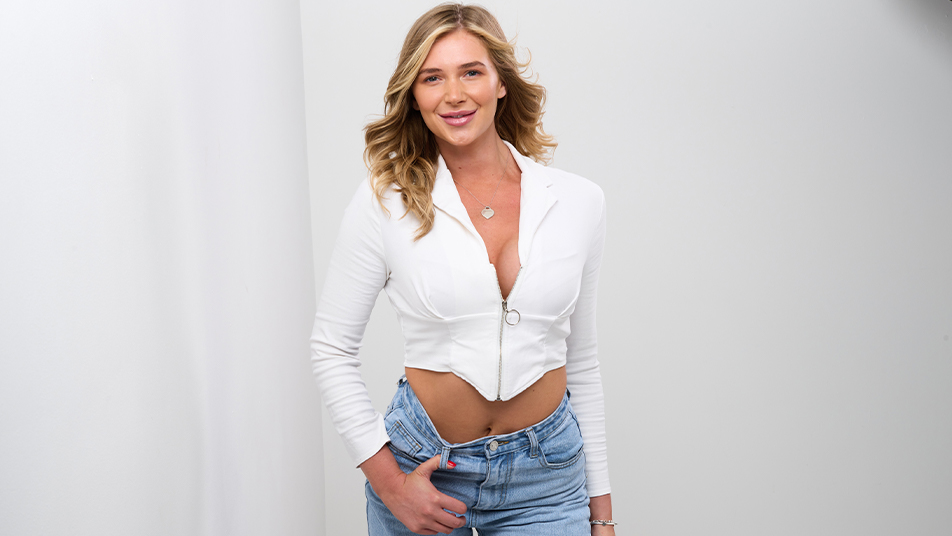
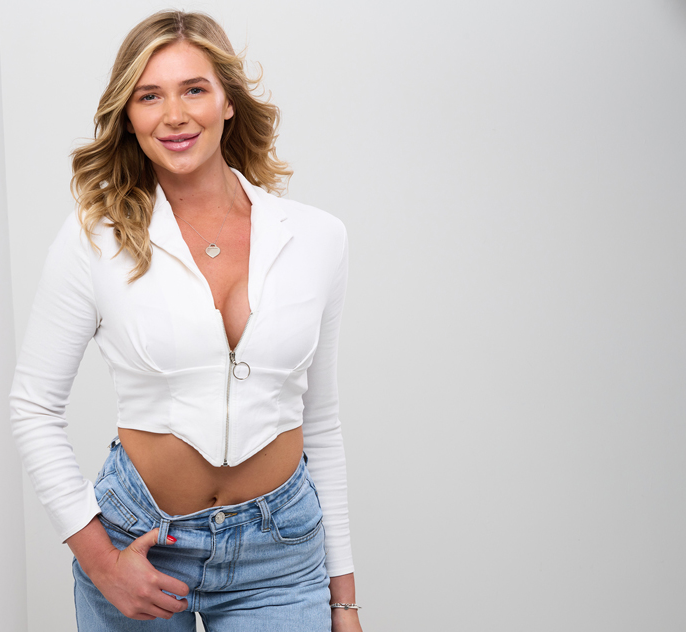
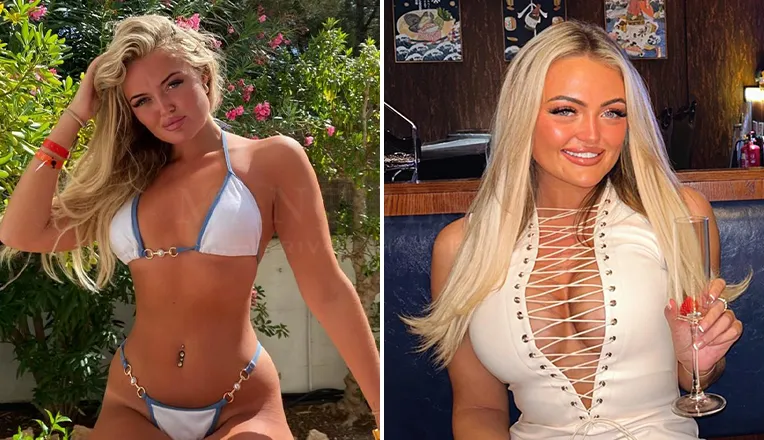
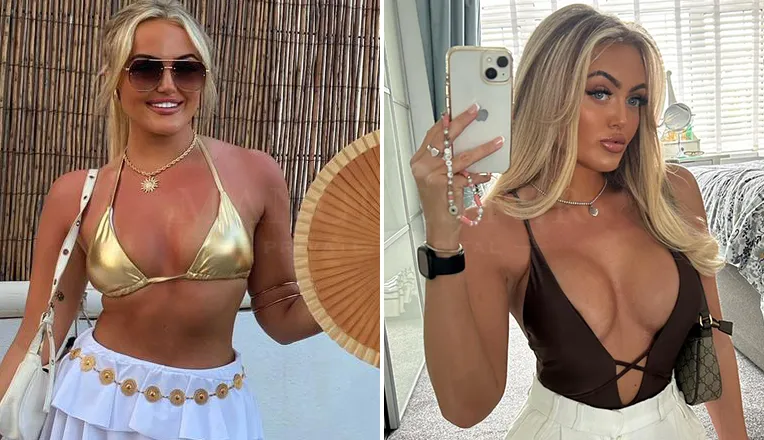
Wow, I love my new boobs!
Beth Todd
SURGERY TIME
2 HOURS
RESULTS SEEN
3 MONTHS
BACK TO WORK
1-2 WEEKS
PAIN LEVEL
MODERATE
HOSPITAL STAY
DAY CASE
COST FROM
£5500
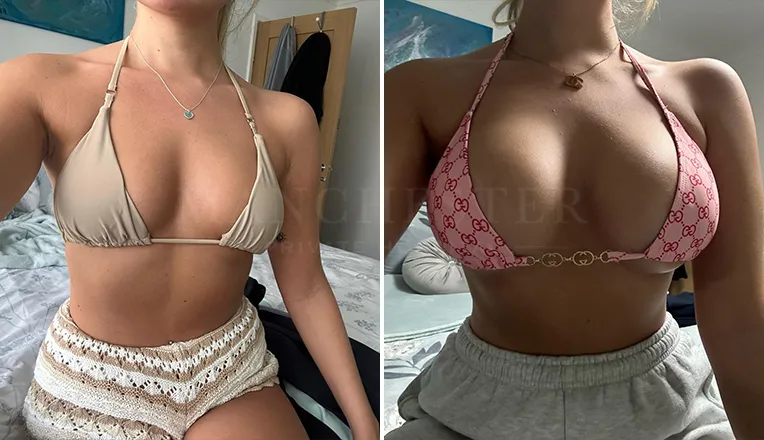
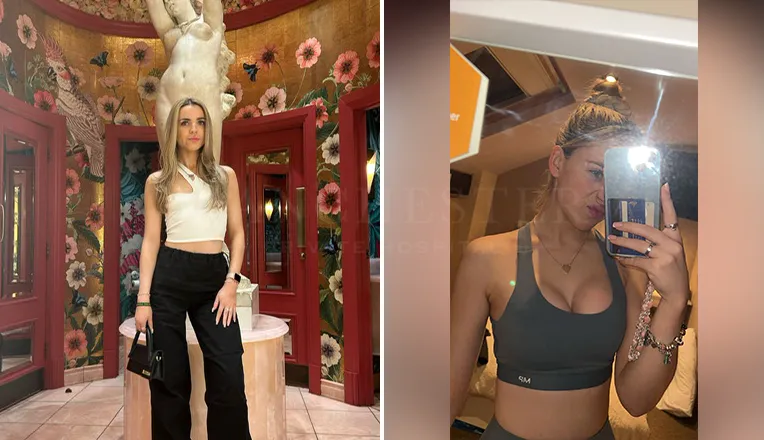
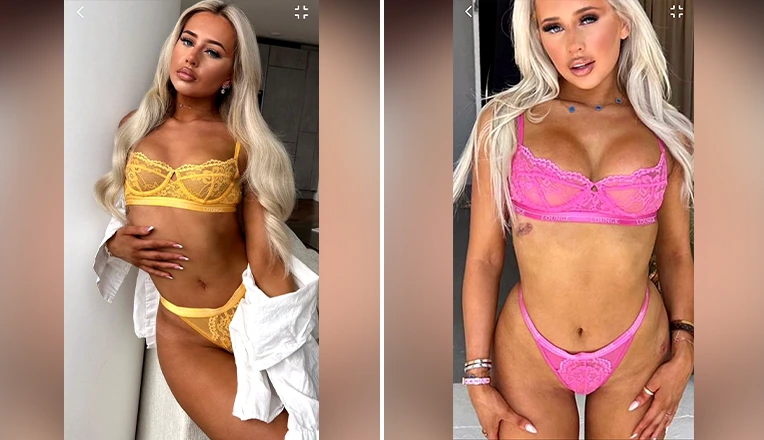
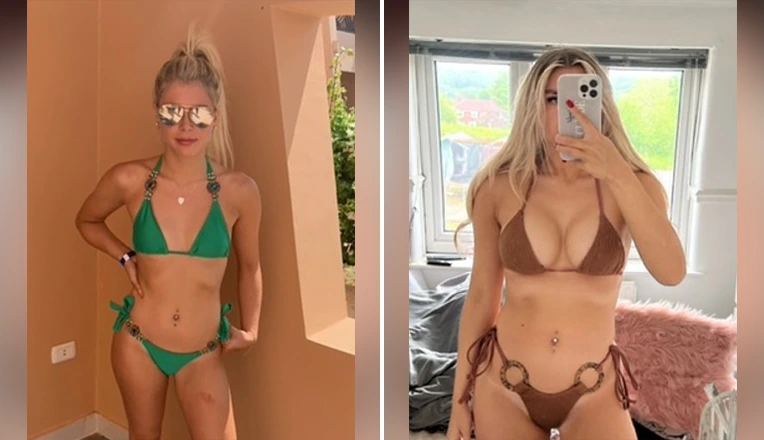
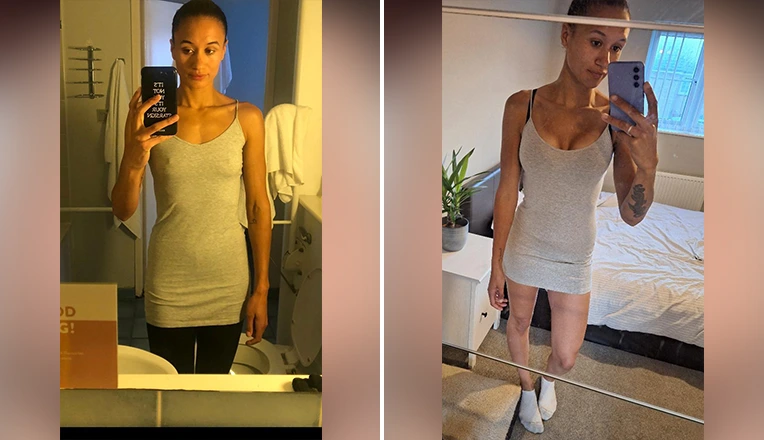
Breast Enlargement Manchester - Before And After Gallery
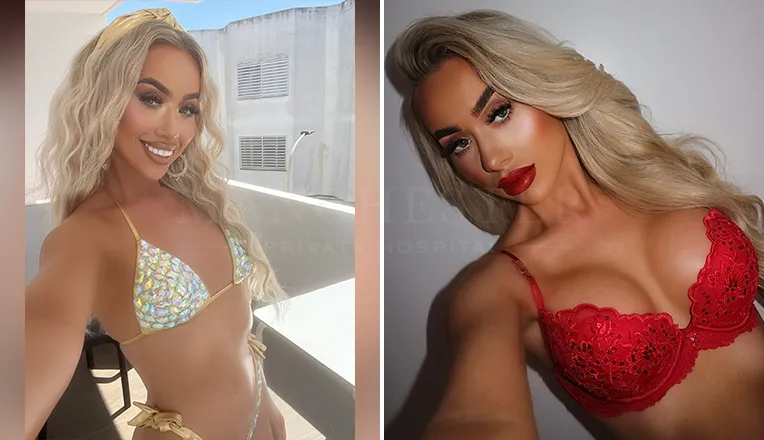
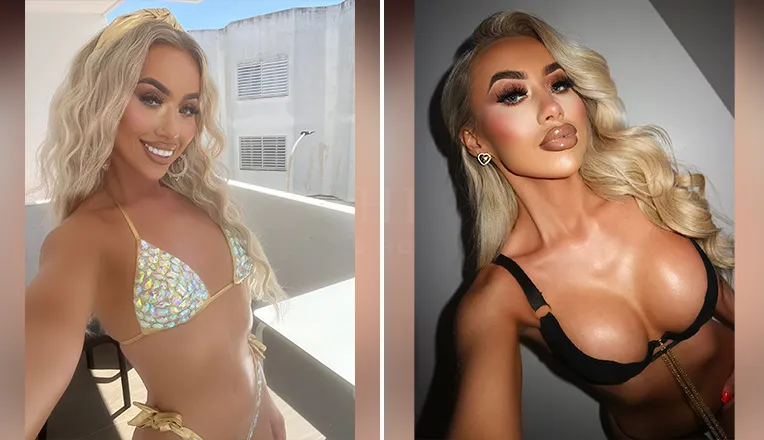
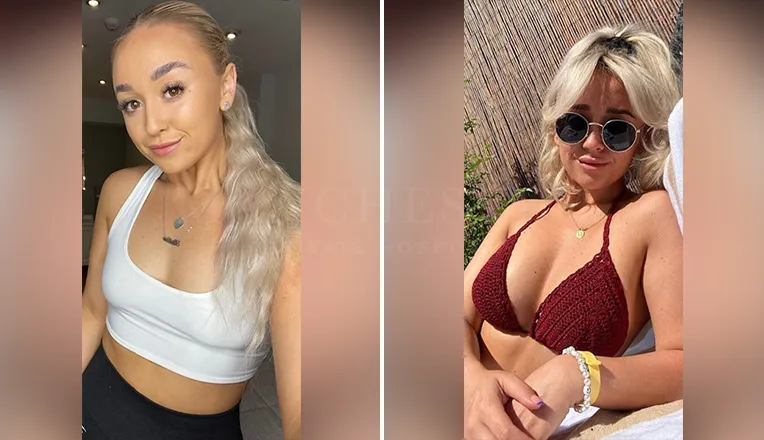
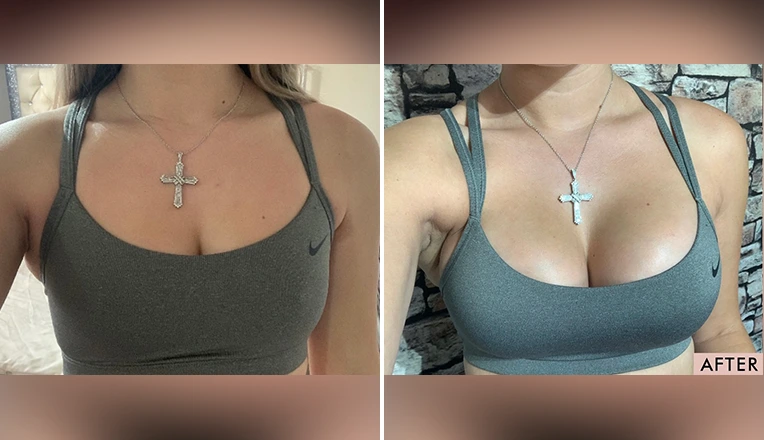
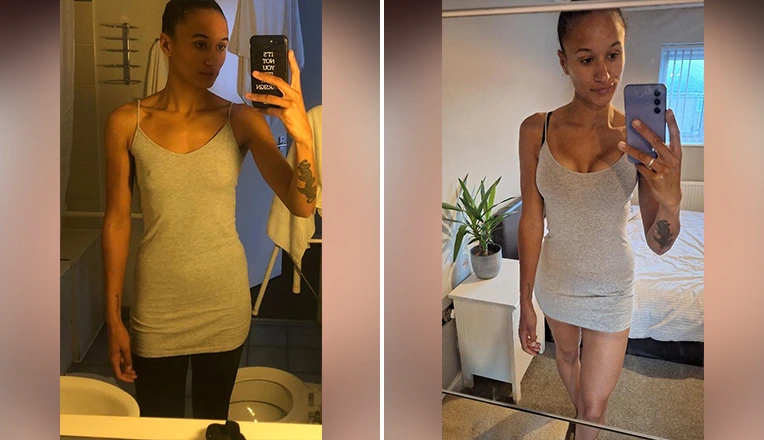
Bilateral Breast Augmentation
Implants Used - Round Collection Impleo Smooth Surface by GC Aesthetics IMP SEHR 390 (Extra High Profile 400cc volume) subglandular placements. 3 months post op
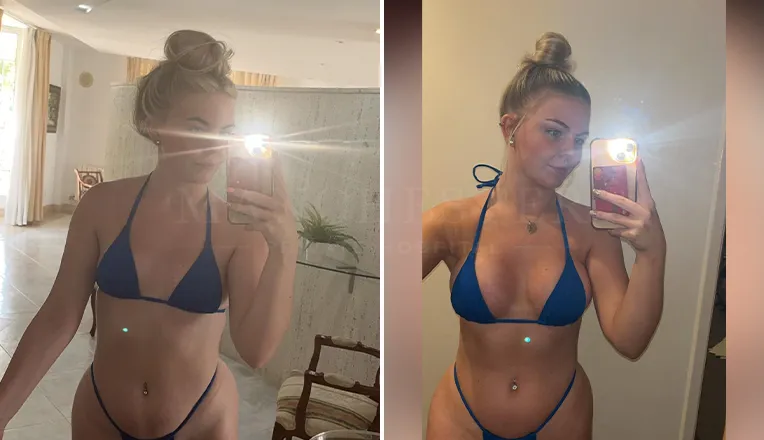
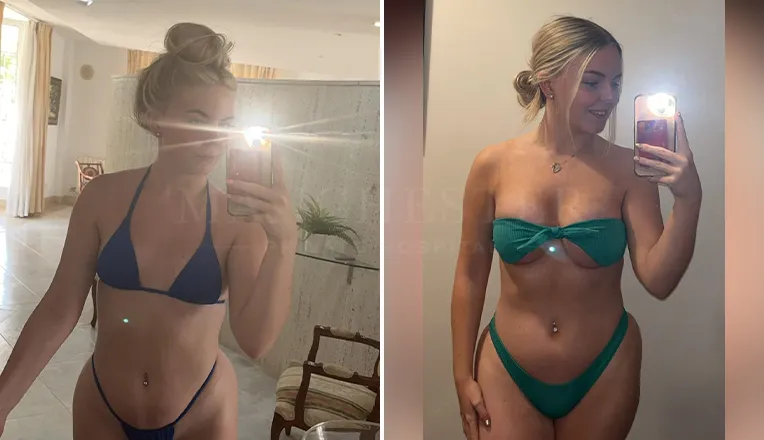
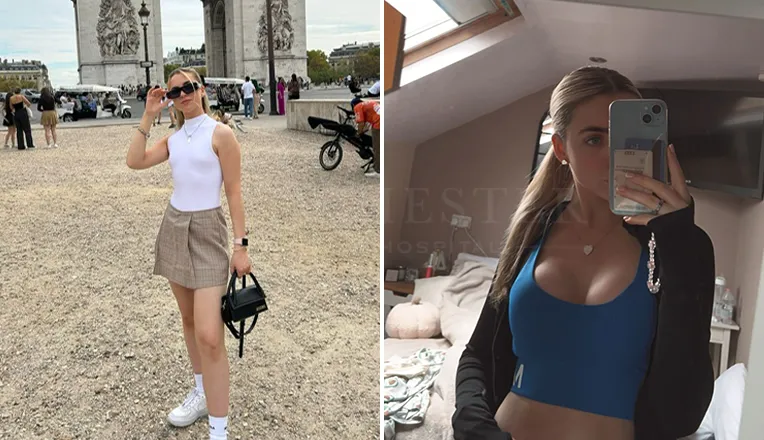
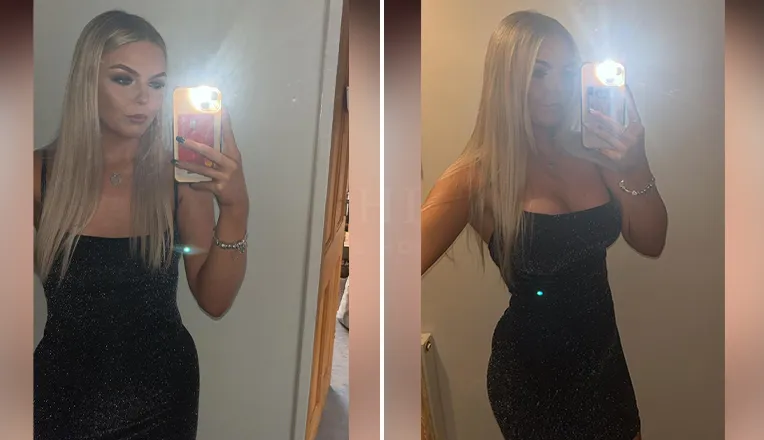
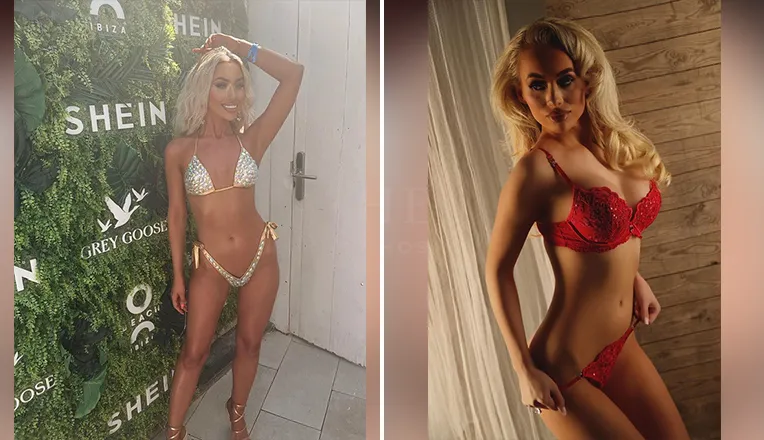
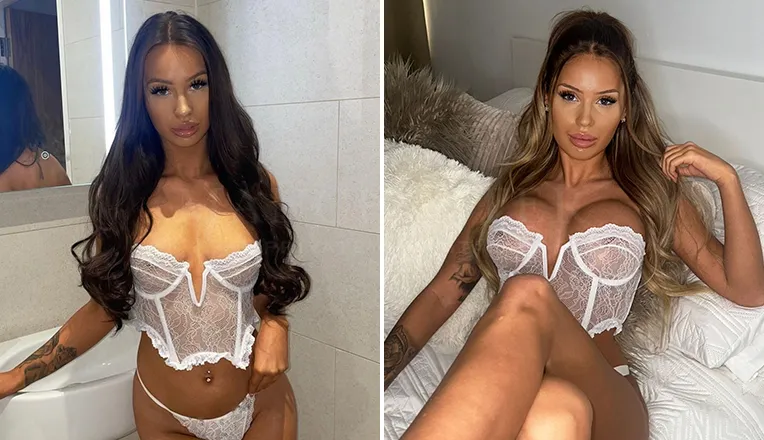
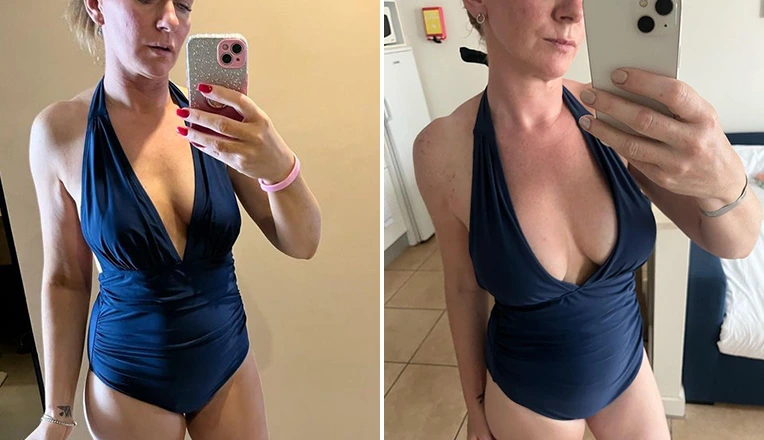
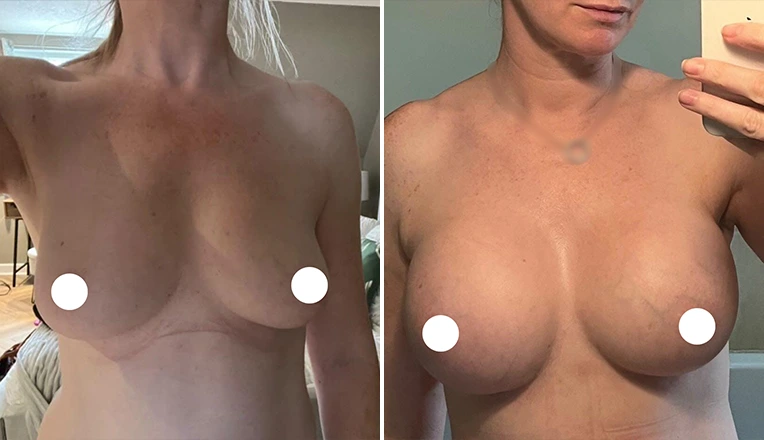
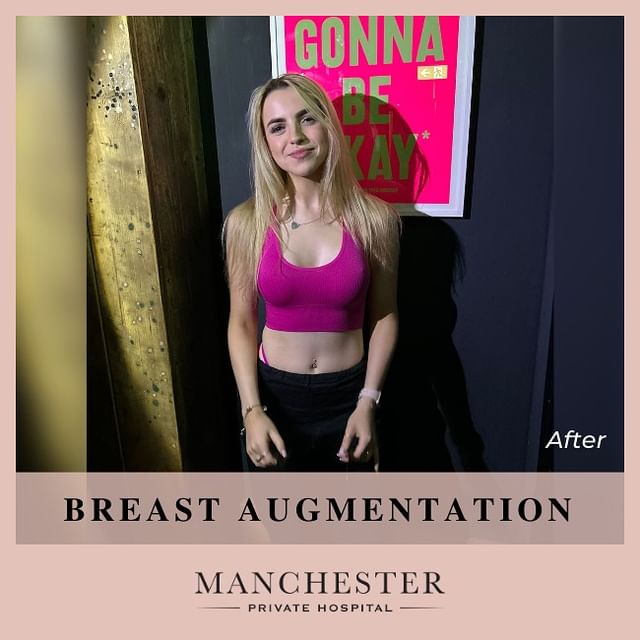
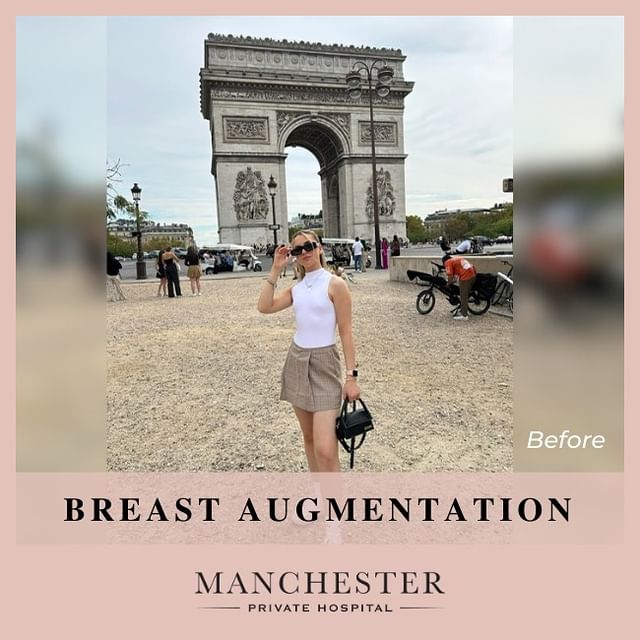
Breast Augmentation
Implants Used - Round Collection High Profile 390cc volume. 3 months post op
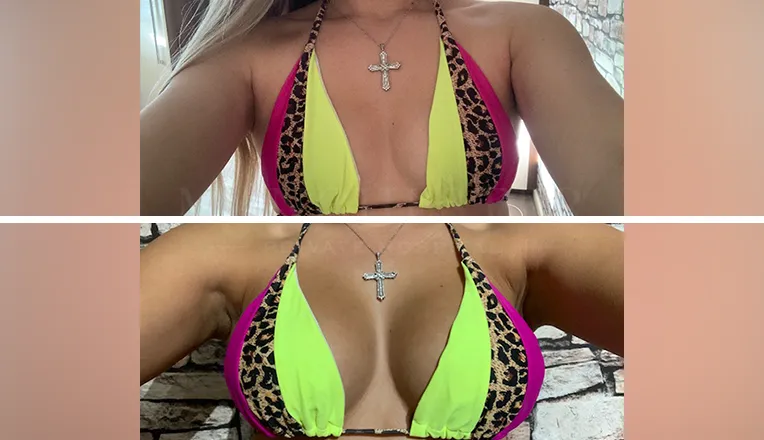
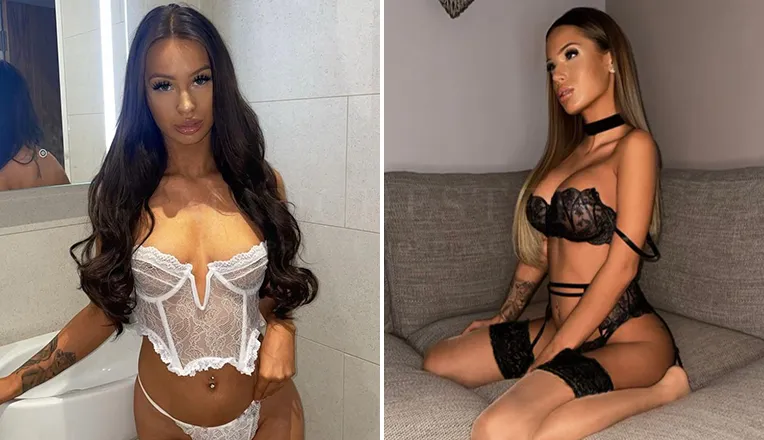
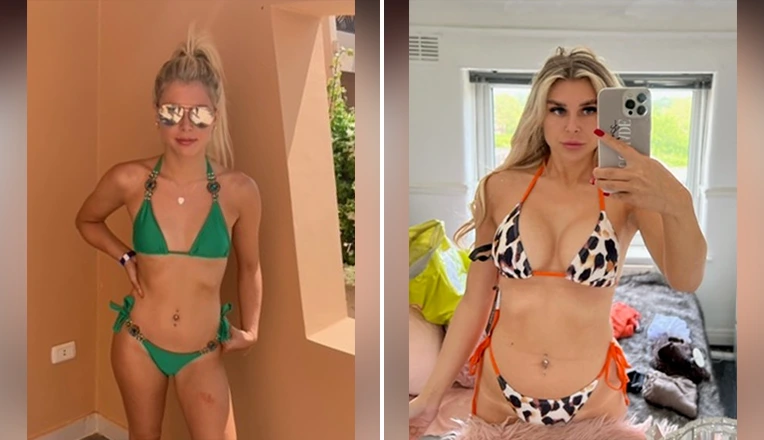
Breast Augmentation
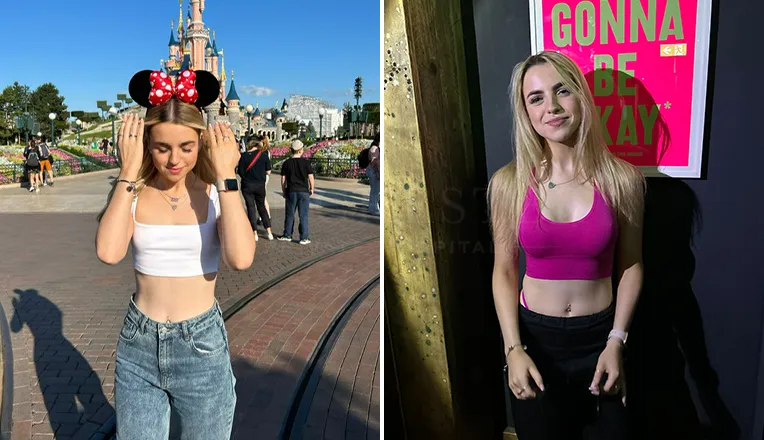
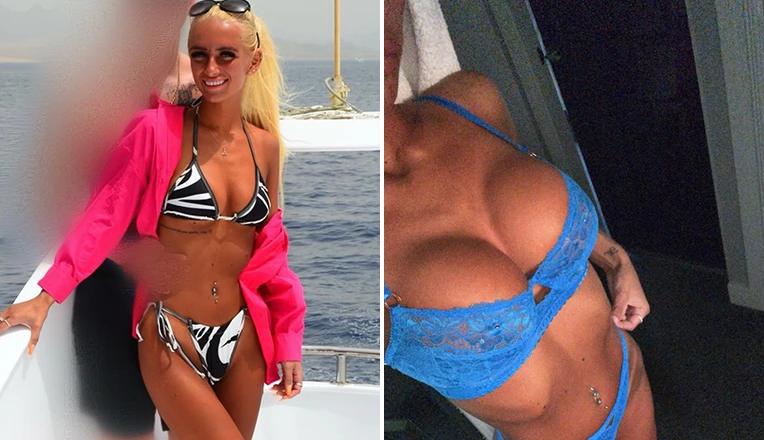
Implants Used - Round Collection High Profile 390cc volume. 3 months post op
GMC Registered Surgeons
4000+ Happy Patients
Flexible Finance Options
CQC Registered Private Hospital

Medically reviewed by Mr Shivram Singh MBBS, FRCSI, FRCS (Plast), Medical Director & Lead,
Medical Advisory Committee for Manchester Private Hospital
Last Reviewed December 15th 2022
About Breast Enlargement Surgery
Breast enlargement Manchester surgery, also known as breast augmentation, is a cosmetic procedure to enlarge the size of the breasts using implants. The implants we used to enlarge the breasts are silicone.
Also called a ‘boob job’, this type of procedure is one of the most popular cosmetic surgery procedures for women in Manchester and throughout the UK. When a woman opts for breast enlargement surgery, their main aim is usually to give breasts a larger size and shape, often to improve self confidence and overall looks. This is achieved with enlarging the breasts, which gives breasts a fuller feel and can positively impact the mind and body.
Why Choose A Breast Enlargement Manchester Procedure?

Enlarging the breasts will add volume, making them look more round and larger. However, breast enlargement is not all about trying to ‘improve’ on what you grew up with. Often change beyond your control is the reason why people choose this type of cosmetic surgery. Women who are unhappy with their breasts, whether because they are asymmetrical, flat, have recently experienced change such as weight-loss or pregnancy, often choose to get a boob job to get the breast volume back.
Ageing is also a major factor in choosing breast enlargement, which is why it is important to speak with an expert consultant in the field, who can advise on size, shape, implant and recovery, in a plan that is tailored to suit your needs.
Furthermore, breast enlargement procedures are sometimes carried out alongside mastopexy, also known as breast uplift, particularly if the issue is ‘drooping’ boobs. These treatments combined can help lift the breasts at the same time as adding volume.
The Procedure: Breast Enlargement Manchester
Breast enlargement procedures are performed under general anaesthetic.
The procedure takes around 90 minutes to complete and your surgeon, depending on your procedure, may perform one of three incisions.
- Under the breast
- Around the nipple
- Near the arm-pit
Incision size depends on where about your chosen implant is being placed.
Once placed, the incision is stitched and the breasts are supported with a dressing and support bra.
If your surgeon recommends that the breasts will need draining of blood and fluids post surgery, small tubes are left inside the breasts for a couple of days. This is common and does not indicate surgery problems.
Boob Job Consultation At Manchester Private Hospital
The procedure for breast enlargement surgery at our hospital begins with a detailed discussion of your concerns, needs, and goals. Our boob job Manchester expert will then educate you on how the breast enlargement procedure can help address your issues. They will also talk to you about the available implant options and help you choose the right type and size of implants.
Get in Touch with Us to Schedule an Appointment with Our Boob Job Manchester Specialist
Breast Implants Advice By Consultant Breast Surgeon In Manchester
We at Manchester Private Hospital are strongly against enforcing decisions on patients. We believe in helping them make informed decisions. This is why all our procedures for breast implants in Manchester always start with a consultation session with an expert. Our consultant breast surgeons listen to your problems. They also answer all your questions to help you decide if breast implants are the right choice for you.
Talk to Our Consultant Surgeon for Breast Enlargement Manchester Information and Sincere Advice
Discussing Your Needs For Breast Enlargement Manchester
Many of the points to take in to consideration when looking for breast surgery include:
- Do you want silicone or saline implants?
- Do you want teardrop or round implants?
- What size implant do you have in mind?
- Will the implant be placed behind the chest wall muscle, or behind the breast tissue?
These are all important points that can be discussed with your cosmetic surgeon.
Your surgeon will also explain the advantages and risks of each of your choices and how it can affect your body.
The benefits of arranging a consultation with one of our professional cosmetic surgeons is that the advice is tailored to your exact needs and body shape.
When considering size, sample bras are available with different fillers, to give you an idea of what implants could, and should look like on your own body.
Certain factors can determine what procedure you should opt for, such as body-shape, build and weight.
Recovery
After undergoing breast enlargement surgery in Manchester, it is normal for patients to feel some discomfort. This can also include swelling, bruising and hardness of the breasts.
For women that feel side effects, painkillers are advised to curb and control pain. It is normal to experience discomfort for up to a few weeks post surgery.
Stitches in the breasts are removed after 7-14 days and scars will continue to fade for the 12 months that follow.
Complications
As with all surgical procedures, there are some risks and complications that can occur.
With breast enlargement, there are a number of specific risks and side effects that you should be aware of before having breast surgery, including:
Infection
Infections are very rare in breast enlargement surgery, however, women can get an infection, which sometimes requires the implant to be removed and inserted at a later date.
Nerve Damage
Although loss of sensation around the nipple can occur on a temporary basis post surgery, there is a chance that some numbness can be permanent.
Rupture
An implant can rupture or leak because of injury – such as a blow to the breast, age or capsular contracture.
Capsular contracture
Internal scar tissue can form a capsule around the implant, which contracts it and causes it to change shape or feel hard. Although one of the more common complications, the chances of it happening are approximately 5%. In most cases, people will notice this complication within the first 24 months of surgery.
Displacement
Implants can sometimes displace inside the breast. Although moving implants is rare, if the displacement is large it will need to be corrected with surgery.
Necrosis
When cells or tissue die or fail to receive sufficient blood supply, it is known as necrosis. This can happen during the healing process and will require surgery to fix it.
Galactorrhoea
The spontaneous production of breast milk can happen after breast surgery. This complication is very rare but if it occurs can go away on its own. However, there has been cases where implant removal is required.
Haematoma
Sometimes a pool of clotted blood can collect in a cavity within the body, known as haematoma.
Seroma
Seroma is fluid that can develop in a cavity after surgery made up of blood plasma, which requires drainage.
Breast Augmentation In Manchester – Why Choose Manchester Private Hospital (MPH)?
There are plenty of reasons why MPH is one of the top choices for breast augmentation in Manchester and nearby areas. Here are some of them:
- We offer a wide range of medical and aesthetic procedures to help people look and feel their best.
- We continue to buy the latest technology to ensure our clients receive the best services and breast augmentation results.
- Our patient-centred approach guarantees that you receive the best advice and services. We do not put you through unnecessary procedures or make your stay at the hospital any longer than necessary. We only do what’s best for you.
- Our breast enlargement clinics in Manchester, London, Birmingham, and Liverpool are located in central locations to ensure they are easy to find and access.
Manchester Private Hospital provides first-class services and care. This would not be possible without our incredible team of experts that works tirelessly to help us live up to our claims and maintain our reputation. Check out some reviews to know it’s not only us who believe our team is the best; our clients also think we are the best for the boob job in the UK MPH taking one of the top spots for ‘breast enlargement near me’ searches in Manchester is a testimony to our impeccable services and our client’s trust on us.
Video On Breast Enlargement Manchester Surgery
Frequently Asked Questions
The cost of breast enlargement in Manchester can vary across patients. It depends on various factors, such as the type of surgery performed, implants used, aftercare, and follow-ups, the need for which can be different for different people. Here’s a quick reference list for breast surgery prices at Manchester Private Hospital:
- Breast Augmentation – From £ 5500
- Breast Re-Augmentation – From £ 6,500
- Mammoplasty (Breast Reduction) – From £ 7,990 (excluding histology charges)
- Breast Uplift – From £ 7,990
- Transgender Breast Surgery – From £ 5,750
- Breast Reconstruction – Upon Consultation
- Breast Asymmetry – Upon Consultation
- Inverted Nipples Correction – Upon Consultation
Set up a consultation session with us to get a quote according to your individual requirements. It’s free for all patients. So what are you waiting for? Dial 0161 507 8822 now to make an appointment.
Many people have trouble paying for their breast surgeries all at once. We offer many finance options to make them more affordable. With these, you can divide your total procedure cost into monthly installments of one, two, three, four, or five years.
Talk to our coordinator to know your breast enlargement Manchester finance options.
Breast enlargement usually takes around 90 minutes. However, it varies depending on personal circumstances such as the condition of your health and potential complications.
Yes, breast enlargement results are permanent. However, your breasts may change shape if you experience weight loss or get pregnant.
The average recommended time away from work is one week, providing all key recovery advice is followed. However, this depends on the job and work that you do. If you do a lot of routine physical activity at work then extra time off or amended duties may be required.
Our surgeons recommended that you do not travel for at least one week post surgery. Follow up appointments may be required after your surgery to check progress and recovery, so it is advised that you stay within travelling distance of our clinic.
Patients must be 18 years or older to undergo surgery for breast enlargement. There is no maximum age cap providing you are in good physical and mental health.
Yes. Our consultations are no obligation and you are free to seek a second opinion, along with expressing any concerns and reservations you may have at any time.
All surgeons and cosmetic care professionals at Manchester Private Hospital are registered members of General Medical Council (GMC).
Although we cover the entire UK, our primary customer base is Manchester and the North West of England. Surrounding areas to our clinic location include; Liverpool, Sheffield, Bolton, Leeds, Bradford, Salford, Birkenhead, Oldham, Stockport, Rochdale, Stoke-on-Trent, Bury, Wigan, Huddersfield, Altrincham, Halifax, Barnsley, Worsley, Blackburn, Sale, Wakefield, Preston, Southport, Cheadle Hulme, Bredbury, London, Ellesmere Port, Crewe and St Helens.
How to Reach Us?
Manchester Private Hospital is located in the vibrant Salford city in the Greater Manchester area and is easily accessible by motorways.
Should you have any questions or want to confirm if we truly deliver what we claim, you can visit our facility during the following timings:
Monday – Friday: 9:00 am to 8:00 pm
Saturday – 9:00 am to 3:00 pm (By appointment only)
Sunday – 9:00 am to 3:00 pm (By appointment only)
You can also send us your queries to [email protected]
For appointments, call us at 0161 507 8822
Breast Enlargement Finance Options
Manchester Private Hospital have collaborated with Chrysalis Finance to offer 0% finance for our patients.*
1. 0% Interest Free Finance for Breast Enlargement Surgery (Monthly Payment Plans)
Breast Enlargement cost: £5500
Deposit amount: £0.00
The amount of loan would be: £5500
Total interest: £0.00
12 monthly instalments of £458.33
The representative APR is 0%
The total amount payable: £5500
2. Breast Enlargement Surgery Finance Option with Interest (APR 9.9%)
Cost of a Breast Enlargement: £5500
Initial deposit: £500
The amount of loan would be: £5000
60 monthly instalments of £105
The representative APR is 9.9%
The total amount payable: £6800
*Acceptance is subject to status. Terms and conditions apply.
All our surgery are tailored to individual patient requirements, and you will receive a fixed price following your consultation with surgeon during your face to face consultation.
*Procedure prices are not fixed and may vary as procedure costs are tailored to individual requirements so vary from person to person. You will receive a guide price during your initial eConsult and a fixed price following your surgeon face to face consultation.
Related Articles